
Resources·Interview Preparation
Interview Preparation
For both job interviews and scholarship or admission interviews, prepared for the actual stage you're walking into, not generic advice.
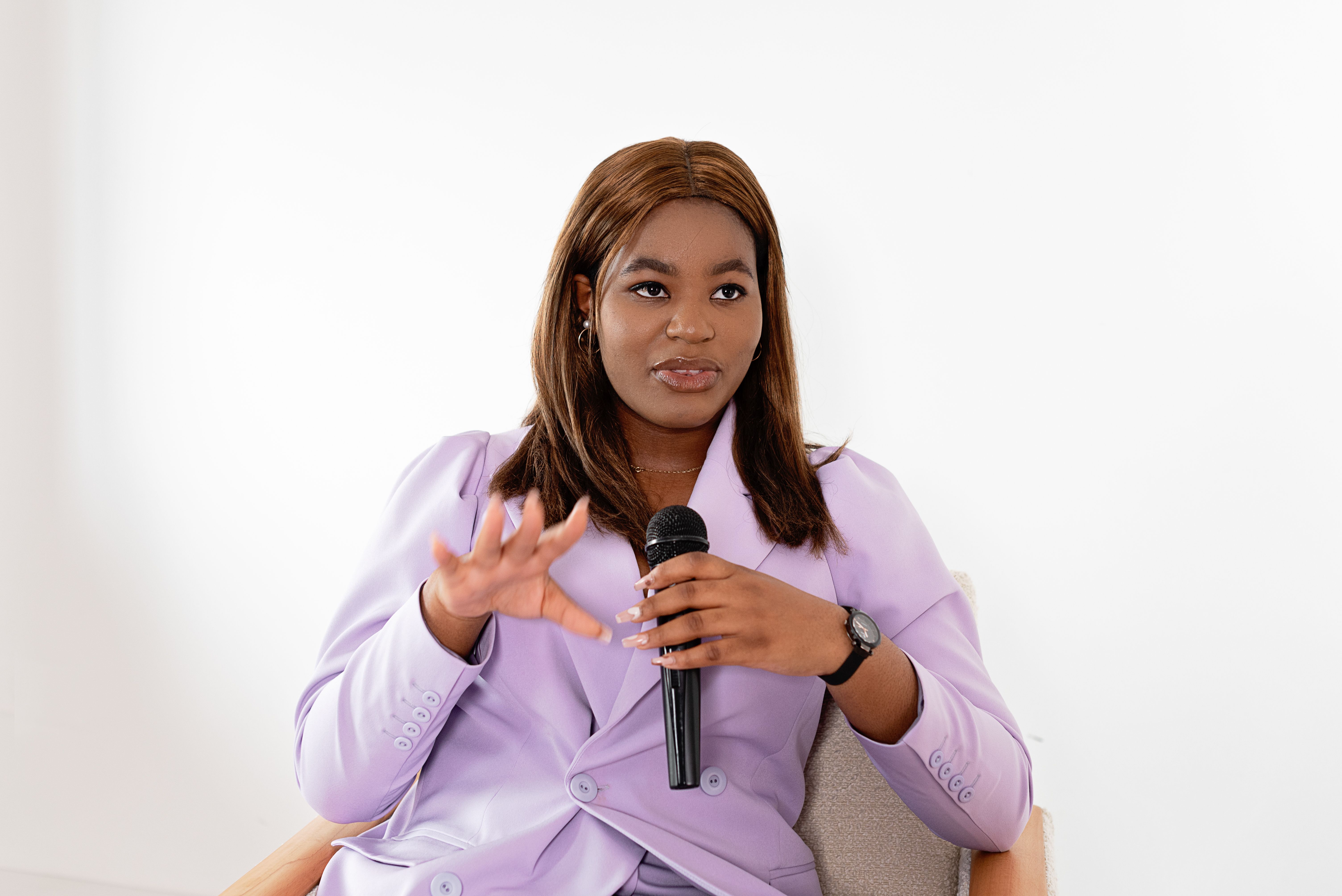
Job interviews: know the stages
Kenyan life sciences employers, especially larger ones, typically run interviews in stages. Knowing which stage you're in changes how you prepare.
Screening call
Usually HR, checking basic fit and salary expectations. Know your number range before you're asked, and have a two-sentence summary of who you are ready to go.
Technical or practical assessment
For lab roles: technique-specific questions or a practical bench test. For analytical/QA roles: a case study or data-interpretation exercise. Review the specific methods listed in the job description, don't prep generically.
Panel or technical interview
Deeper questions on your experience, often from the hiring manager and a technical lead together. This is where the STAR method (Situation, Task, Action, Result) makes your answers concrete instead of vague.
Final interview
Sometimes with senior leadership, focused on fit and trajectory more than technical depth. Prepare thoughtful questions, this stage is also you evaluating them.
Reference checks and offer
Employers commonly call your listed referees directly, make sure yours actually expect the call and can speak specifically to your work. Once an offer comes, it's normal to ask for 2-3 days to review it, especially if you're weighing more than one option.
Likely behavioral questions
Walk me through a time you got an unexpected result in the lab or field. What did you do?
Describe a time you had to work with a difficult team member or supervisor.
Tell me about a mistake you made in your research or work. What happened next?
How do you prioritize when you have multiple deadlines at once?
Describe a project where you had to learn something completely new, quickly.
Tell me about a time you had to follow a strict protocol or procedure exactly, even when it slowed you down.
Describe a time you disagreed with a supervisor's approach. How did you handle it?
Tell me about a time you had to explain a technical result to someone without a science background.
Give an example of a time you worked with limited resources or equipment and still delivered.
Describe how you've handled a situation where you didn't have enough information to proceed confidently.
Answer with the STAR method: the Situation, the Task you faced, the Action you specifically took, and the measurable Result. Vague answers (“I'm a good team player”) lose to specific ones every time.
Academic and scholarship interviews
These test fit and research thinking more than technical recall. Expect questions like:
Why this program, specifically, and not a similar one elsewhere?
Walk me through your research interests and how they developed.
What would your proposed research/study plan look like in this program?
What's a paper or idea in this field you disagree with, and why?
Where do you see this degree taking you afterward?
Who on the faculty here would you want to work with, and why?
What's a limitation of your undergraduate research project, and how would you address it?
How would this scholarship/degree specifically benefit your home country or community on your return?
What would you do if your proposed research direction didn't work out in the first year?
What's the most significant recent development in your field, and what's your view on it?
Technical questions by sector
Generic behavioral prep only gets you so far, the technical round is where sector fluency actually shows. Review the set that matches your target role.
Clinical / diagnostic laboratory
Walk me through your process for handling a discrepant or unexpected test result.
What quality-control checks do you run before releasing a patient result?
How would you handle a specimen that arrived improperly labeled or with a broken chain of custody?
What do you know about KMLTTB registration and its practice requirements?
Quality assurance / quality control (pharma, food, cosmetics)
Explain the difference between quality control and quality assurance in your own words.
What would you do if a batch failed a specification just outside the acceptable range?
What do you know about Good Manufacturing Practice (GMP) or HACCP, and where have you applied it?
How would you investigate and document a deviation from standard operating procedure?
Research / academia
Walk me through your experimental design process for your most significant project.
How do you ensure your results are reproducible?
What's your experience with statistical analysis, and which tools have you used?
How do you stay current with literature in your field?
Regulatory affairs
What Kenyan regulatory bodies are relevant to this role (e.g. PPB, KEBS, KEPHIS, NEMA), and what do they each require?
Walk me through how you'd prepare a product registration or compliance dossier.
How do you keep track of changing regulatory requirements?
Environmental / conservation science
What's your experience with environmental impact assessment (EIA) work?
How would you design a biodiversity or field-sampling study for a new site?
What do you know about NEMA's role and requirements for the kind of work this role involves?
Food science / food technology
How would you troubleshoot an unexpected shelf-life or spoilage issue in a product?
What food-safety standards or certifications have you worked with (HACCP, ISO 22000, KEBS standards)?
Walk me through how you'd validate a new product formulation before it goes to market.
The night before, not the morning of
Research the organization or program: recent work, mission, who you're meeting.
Prepare 2-3 thoughtful questions to ask them, not just “what's the salary.”
Run one mock interview out loud, with a friend or alone, answers you've only rehearsed in your head come out weaker live.
Confirm logistics the night before: location, dress code, what to bring, video-call link if remote.
Print or save offline copies of your CV, certificates, and reference letters, don't rely on data or a slow connection on the day.
Review the exact job description or programme page one more time, note any keywords or requirements to weave into your answers.
Plan your route or test your video-call setup in advance, arriving flustered undoes hours of preparation in the first two minutes.
Prepare a specific answer for “why should we choose you over other candidates,” most people freeze on this exact question.
Have a specific job description or program in hand?
The Skills Gap Test's Interview Prep analyst researches the exact employer or program and generates the questions you're actually likely to face.
Reviews
No reviews yet, be the first to share your experience.
Leave a review
Leave blank to show as 'A Biodaraja user'.
So we can follow up, never shown publicly.